
In today’s digital world, mobile apps are everywhere—from banking and shopping to chatting and entertainment. But have you ever wondered what happens to your personal data inside those apps?
At https://www.priyoblog.com/, we explore how modern apps collect massive amounts of private data—and why hackers are now targeting them more than ever.
This is no longer just a tech issue. It’s a real-world risk affecting millions of users daily.
📱 What Is Private Data Collection in Apps?
Private data collection in apps refers to how mobile applications gather, store, and process user information.
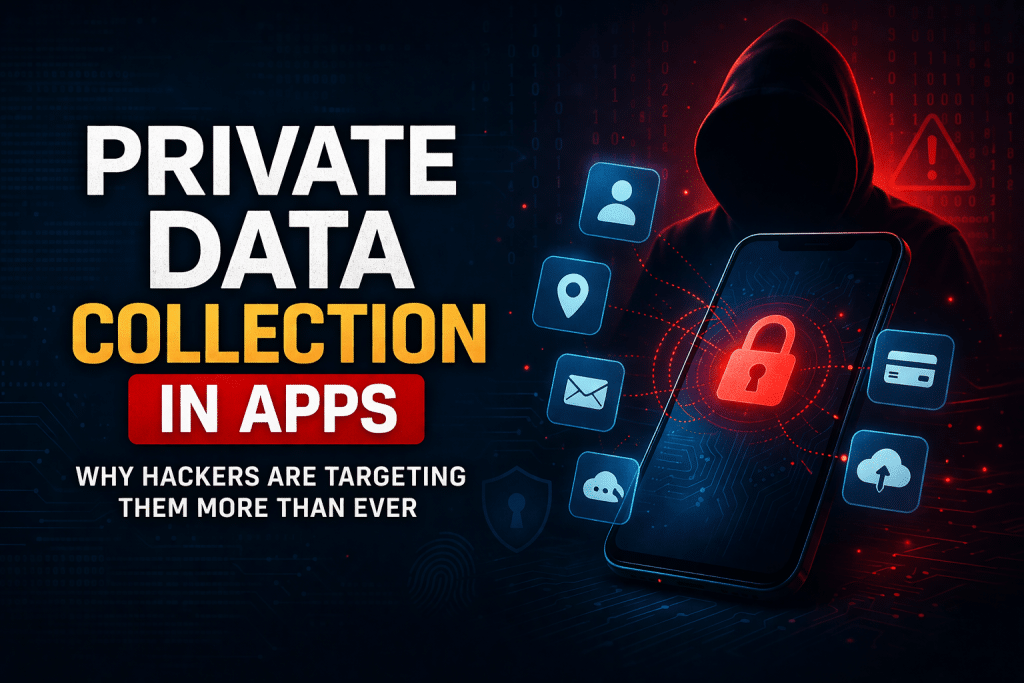
📌 Common types of data collected:
- Personal details (name, email, phone number)
- Location data (GPS tracking)
- Financial information (cards, transactions)
- Device data (IP address, device ID)
- Behavioral data (what you click, watch, or search)
Many apps collect more data than users actually realize, often through permissions like camera, microphone, and storage access.
🎯 Why Hackers Are Targeting Apps More Than Ever
1. Massive Data Storage = Bigger Rewards
Apps today store huge amounts of sensitive data. For hackers, this is like a goldmine.
- Login credentials
- Payment details
- Personal identity data
Even a single app breach can expose millions of users.
2. Weak Security in Many Apps
Many apps still suffer from poor security practices such as:
- Unencrypted data storage
- Weak authentication systems
- Poor API protection
Research shows a large percentage of apps have vulnerabilities that expose personal data.
3. Third-Party SDK Risks
Modern apps rely heavily on third-party tools and libraries.
⚠️ Problem:
- These SDKs are often not fully tested
- They may contain hidden vulnerabilities
In fact, around 84% of apps show security issues related to third-party components.
4. Rise of API-Based Attacks
Most apps depend on APIs to communicate with servers.
If APIs are insecure:
- Hackers can steal massive datasets
- Attackers can bypass authentication
This has become one of the fastest-growing attack methods in recent years.
Source https://www.designrush.com/agency/mobile-app-design-development/trends/mobile-app-security
5. AI-Powered Cyber Attacks
Hackers are now using AI and deepfake technology to:
- Bypass biometric authentication
- Clone voices and identities
- Trick users into giving access
These advanced attacks make mobile apps even more vulnerable.
6. Reverse Engineering of Apps
Hackers can download apps and analyze their code.
Result:
- Extract hidden API keys
- Create fake or modified apps
- Inject malware
This technique is becoming increasingly common.
⚠️ Common Risks of Private Data Collection
🔐 1. Data Breaches
Sensitive user data gets leaked or stolen.
🕵️ 2. Privacy Violations
Apps may track users without clear consent.
💳 3. Financial Fraud
Stolen data can lead to unauthorized transactions.
📍 4. Location Tracking Abuse
Apps can track real-time user movements.
🧬 5. Identity Theft
Hackers use stolen data to impersonate users.
📊 Comparison Table: Secure vs Vulnerable Apps
| Feature | Secure Apps ✅ | Vulnerable Apps ❌ |
|---|---|---|
| Data Storage | Encrypted | Plain text storage |
| Authentication | Multi-factor (MFA) | Weak passwords |
| API Security | Protected & validated | Open/unsafe APIs |
| Permissions | Limited & necessary | Excessive access |
| Updates | Regular security patches | Outdated systems |
🧠 Why Users Often Don’t Notice the Risk
Many users assume:
- Apps from official stores are safe
- Permissions are harmless
- Data collection is minimal
But in reality, many apps request unnecessary permissions and share data with third parties, increasing risk.
🛡️ How Hackers Actually Exploit App Data
🔎 Common attack methods:
- Man-in-the-Middle Attacks
Intercept data during transmission - Credential Stuffing
Using stolen passwords across apps - Malicious SDK Injection
Embedding spyware into apps - Phishing via Apps
Fake login screens - Cloud Misconfiguration Exploits
Accessing poorly secured databases
🔒 How to Protect Your Data from App Threats
✅ For Users
- Only install apps from trusted developers
- Check app permissions before installing
- Avoid apps asking for unnecessary access
- Use strong passwords and enable MFA
- Keep apps and OS updated
👨💻 For Developers
- Encrypt sensitive Private Data
- Use secure APIs (HTTPS, authentication)
- Regularly update third-party libraries
- Implement secure coding practices
- Perform penetration testing
🌍 Real-World Trend: Why This Problem Is Growing
- More apps = more Private Data collection
- More users = bigger attack surface
- More connected devices = more vulnerabilities
Cybercriminals are simply following the data—and mobile apps are now the easiest target.
❓ FAQ Section
1. Why do apps collect so much personal data?
Apps collect Private Data to improve user experience, personalize content, and generate revenue through ads or analytics.
2. Are all apps dangerous?
No, but many apps have security flaws or collect more Private Data than necessary, which increases risk.
3. How can I check if an app is safe?
Check:
- Developer reputation
- Permissions requested
- User reviews
- Privacy policy
4. What is the biggest risk of app data collection?
The biggest risk is Private Data breaches, which can lead to identity theft and financial loss.
5. Can hackers access my phone through apps?
Yes, if the app has vulnerabilities or malicious code, hackers can gain access to your data or even control parts of your device.
🧾 Last Words
Private data collection in apps is not going away—in fact, it’s growing faster than ever. While apps make our lives easier, they also create new risks that many users ignore.
Hackers are not just targeting big companies anymore—they’re targeting everyday users through the apps you use daily.
👉 The key takeaway:
Be aware, stay cautious, and control your data before someone else does.









Leave a Comment