
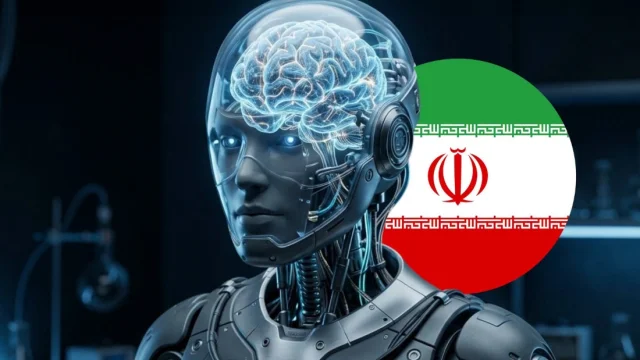
Science is entering a bold new era where biology meets technology. Researchers in Iran are currently exploring how one Builds Artificial Brain systems using living human neurons. This shift moves us away from traditional silicon chips toward organic, self-learning networks.
How to Update Every Driver on Windows 11 for FREE – One-Click Solution
For our readers in Bangladesh, this discovery represents a fascinating leap in computing power. Scientists are learning to cultivate these biological networks within highly controlled laboratory environments. This process allows them to study how human cells process information in real-time.

Understanding how a team builds artificial brain structures helps us see the future of medicine and technology. By replacing metal circuits with living tissue, we may soon solve complex problems that current computers cannot handle. This guide will walk you through the foundational steps of this incredible scientific evolution.
Key Takeaways
- Iranian researchers are pioneering the use of living human neurons for computing.
- Biological networks offer a sustainable alternative to traditional silicon-based hardware.
- The process requires a strictly controlled laboratory environment to ensure cell health.
- This technology aims to mimic the complex processing power of the human mind.
- These advancements could lead to breakthroughs in medical research and data processing.
Understanding the Science of Biological Neural Networks
The shift toward biological processing marks a fascinating evolution in how we approach machine intelligence. Researchers are now exploring how living tissue can function as a computational unit within a controlled laboratory environment. This approach moves beyond traditional silicon-based logic to embrace the natural efficiency of organic structures.

The Intersection of Biology and Artificial Intelligence
At the core of this research lies the unique electrical property of human neurons. Unlike standard binary switches that rely on simple on-off states, neurons communicate through complex electrochemical signals. This allows them to mimic synaptic plasticity, which is the brain’s ability to strengthen or weaken connections based on activity.
source:
Builds Artificial Brain By integrating these biological mechanisms into hardware, scientists aim to replicate the brain’s capacity for learning. This intersection creates a hybrid model where the speed of silicon meets the adaptive nature of living cells. Such systems can solve intricate problems that currently baffle traditional software architectures.
Why Human Neurons Enhance Cognitive Computing Services
Human neurons provide a distinct advantage when it comes to energy efficiency and pattern recognition. While digital processors often require massive amounts of power to perform deep learning tasks, biological networks operate with remarkable economy. This efficiency is a primary driver for the development of advanced cognitive computing services.
Builds Artificial Brain These living networks are inherently flexible, allowing them to adjust to new data inputs in real time. By bridging the gap between biological systems and modern technology, researchers are building architectures that grow smarter with every interaction. This evolution in design promises to redefine the future of high-performance processing.
Preparing the Laboratory Environment for Neural Cultivation
Establishing a controlled laboratory environment is the first step toward successful neural network creation. This process requires a dedicated space where biological variables remain constant and predictable. Without such precision, the delicate nature of living neurons makes growth nearly impossible.

Essential Equipment for Neural Network Creation
Builds Artificial Brain To achieve consistent results, researchers must utilize high-end laboratory tools. Specialized CO2 incubators are vital for mimicking the internal conditions of a living organism. Furthermore, high-precision microscopy allows scientists to observe the development of neural clusters in real-time.
source:
These tools provide the data necessary to refine the growth process. Investing in quality hardware ensures that every stage of neural network creation remains stable and repeatable.
Maintaining Sterile Conditions for Living Tissue
Builds Artificial Brain Contamination is the greatest threat to any biological research project. Even microscopic particles can disrupt the delicate balance of a developing neural system. Therefore, laboratories must implement strict protocols, such as using laminar flow hoods and filtered air systems.
Builds Artificial Brain Staff must wear protective gear at all times to minimize human-borne risks. By keeping the workspace pristine, researchers protect the integrity of their samples throughout the entire study.
Temperature and Nutrient Control Requirements
Builds Artificial Brain Living tissue requires a very specific environment to thrive. Precise temperature regulation is essential, as even minor fluctuations can cause irreversible damage to the cells. Additionally, the nutrient medium must be balanced to provide the exact chemical signals needed for growth.
| Environmental Factor | Target Range | Impact on Growth |
|---|---|---|
| Temperature | 37.0°C | Maintains metabolic rate |
| CO2 Levels | 5.0% | Regulates pH balance |
| Nutrient Supply | Constant Flow | Prevents cell degradation |
Consistent monitoring of these factors ensures the long-term viability of the tissue. Proper environmental management remains the cornerstone of success in this highly technical field.
How Iran Builds Artificial Brain Systems Using Human Neurons
The journey to create a functional neural system is a complex scientific endeavor. When a research team builds artificial brain structures, they must follow a strict protocol to ensure the living tissue remains healthy and responsive. This process relies on advanced biotechnology to mimic the natural development of the human mind.
Step One: Sourcing and Preparing Stem Cells
Builds Artificial Brain The foundation of this research begins with induced pluripotent stem cells. These cells are versatile and can be reprogrammed to become any cell type in the body. Researchers carefully isolate these cells to ensure they are free from contamination before starting the cultivation process.
Step Two: Encouraging Neural Differentiation
Once the stem cells are ready, the team guides them to become functional neurons. By applying specific chemical signals, scientists encourage the cells to differentiate into specialized neural tissues. This stage is critical as it determines how the system builds artificial brain components that can eventually process information.
Step Three: Structuring the Biological Scaffold
A living Builds Artificial Brain requires a physical framework to grow and maintain its shape. Scientists use a 3D biological scaffold that acts as a support system for the developing neural clusters. This structure provides the necessary environment for neurons to organize themselves into complex, three-dimensional patterns.
Step Four: Establishing Electrical Connectivity
The final phase involves creating the pathways that allow neurons to communicate. By fostering synaptic connections, the researchers enable the system to transmit and receive electrical signals. This connectivity is what allows the network to function similarly to a biological Builds Artificial Brain, completing the process as the team builds artificial brain systems for further study.
Integrating Machine Learning Solutions with Biological Tissue
Integrating machine learning solutions into biological environments requires precise engineering. This process involves creating a reliable communication path between living neurons and traditional silicon processors. By merging these two distinct worlds, researchers aim to harness the incredible energy efficiency found in natural neural networks.
Bridging the Gap Between Biology and Silicon
The primary challenge lies in the fundamental difference between how biological tissue and digital hardware operate. Biological systems use chemical and electrical signals, while silicon chips rely on binary code. To bridge this gap, scientists must develop specialized interfaces that translate these signals without losing critical data.
Successful integration allows for a hybrid system that processes information in ways that standard computers cannot. This synergy could lead to breakthroughs in how we approach complex computational tasks. Researchers are currently focusing on several key technical requirements to ensure stability:
- High-fidelity electrode arrays for signal capture.
- Low-latency conversion modules for real-time processing.
- Biocompatible materials to prevent tissue degradation.
- Advanced noise-filtering algorithms to isolate neural activity.
Hardware Interfaces for Signal Processing
Hardware interfaces act as the translator between the organic brain and the digital machine. These units must be sensitive enough to detect the subtle electrical impulses generated by living cells. Once captured, these signals are amplified and prepared for analysis by sophisticated machine learning solutions.
Translating Neural Spikes into Digital Data
The core of this technology involves interpreting the firing patterns of the neural network. When neurons fire, they create spikes that represent specific information or reactions. Specialized software then converts these spikes into digital data that a computer can understand and process.
This translation process is vital for executing complex computational tasks efficiently. By refining these interfaces, developers can ensure that the hybrid system remains responsive and accurate. Ultimately, these machine learning solutions provide the framework needed to turn biological activity into actionable digital insights.
Implementing Deep Learning Algorithms for Cognitive Computing
Deep learning algorithms serve as the bridge between living neurons and silicon-based processing. By translating biological signals into digital data, researchers can teach the hybrid system to recognize complex patterns. This process transforms raw neural activity into actionable intelligence.
Training the Hybrid System
Training a hybrid Builds Artificial Brain requires a unique approach compared to standard machine learning models. The system must learn to interpret the erratic, non-linear firing patterns of human neurons. Engineers use specialized software to stabilize these signals, ensuring the digital layer can effectively communicate with the biological core.
“The future of computing is not just faster processors, but the seamless integration of biological adaptability with digital precision.”
Optimizing Natural Language Processing Implementation
Effective communication is a cornerstone of advanced cognitive systems. Through careful natural language processing implementation, the hybrid Builds Artificial Brain learns to parse human syntax and intent. This allows the system to generate responses that feel intuitive rather than robotic.
- Enhanced semantic understanding of human queries.
- Real-time translation of neural impulses into text.
- Improved contextual awareness during complex interactions.
Refining Smart Technology Solutions Through Feedback Loops
Continuous improvement is achieved through rigorous feedback loops that monitor system performance. These loops allow the software to adjust its parameters based on the accuracy of the biological output. As the system matures, it becomes more responsive to user needs.
These advancements are vital for the future of ai website development. By creating more intuitive platforms, developers can build interfaces that respond to human thought patterns. Ultimately, refining these smart technology solutions will redefine how we interact with the digital world.
Ethical Considerations and Safety Protocols in Neural Research
The rapid evolution of modern technology brings us to a critical crossroads where biology meets machine intelligence. As we push the boundaries of what is possible, we must carefully examine the moral implications of our work. This balance between innovation and responsibility remains the cornerstone of sustainable progress in the scientific community.
Navigating the Bioethics of Artificial Intelligence Development
The integration of living human neurons into computational systems raises profound questions about the nature of consciousness and identity. We must approach artificial intelligence development with a deep sense of humility and caution. Protecting the dignity of biological material is not just a suggestion; it is a fundamental requirement for researchers.
Transparency serves as our best tool for navigating these complex waters. By openly discussing the potential risks and benefits, we foster a culture of accountability. This approach ensures that every breakthrough aligns with universal human values and ethical standards.
Ensuring Responsible Laboratory Practices
Maintaining high standards within the laboratory environment is essential for both safety and scientific validity. Researchers must follow strict protocols to prevent contamination and ensure the ethical handling of all biological samples. These practices protect the integrity of the data while upholding the highest level of professional conduct.
Consistency in these daily operations builds the foundation for public trust. When the community sees that scientists prioritize safety, they are more likely to support ongoing innovation. Rigorous oversight and peer review processes further strengthen our commitment to excellence in this sensitive field.
Regulatory Frameworks for Advanced Neural Projects
Global cooperation is vital for creating effective rules that govern the future of neural research. We need robust regulatory frameworks that can adapt to the fast-paced nature of technological change. These policies should provide clear guidance for researchers while encouraging safe and creative exploration.
Effective governance involves collaboration between scientists, ethicists, and policymakers. By working together, we can establish international standards that prevent misuse and promote beneficial outcomes. This structured approach ensures that our advancements in artificial intelligence development remain a force for good in the world.
Last Words
Merging living human neurons with digital systems marks a bold shift in modern technology. This hybrid approach pushes the boundaries of what machines can achieve in cognitive computing.
Researchers now stand at a unique crossroads where biology meets silicon. This path offers immense potential for solving complex problems that traditional hardware struggles to process. Global teams, including those in Iran, continue to explore how these living networks can improve machine learning efficiency.
Success in this field requires a steady commitment to safety and moral standards. Scientists must prioritize transparency as they develop these advanced systems. Protecting the integrity of biological tissue remains a vital part of this scientific journey.
Readers interested in this topic should keep a close watch on emerging breakthroughs from institutions like the Royan Institute. Future updates will likely reveal new ways to refine these neural interfaces. Your curiosity drives the progress of these smart technology solutions.
What impact do you think biological processors will have on your daily life? Share your thoughts on the potential of this technology with your peers. Staying informed helps everyone understand the rapid changes shaping our digital world.









Leave a Comment